Rubbish removal near Earls Court station
Posted on 19/06/2026
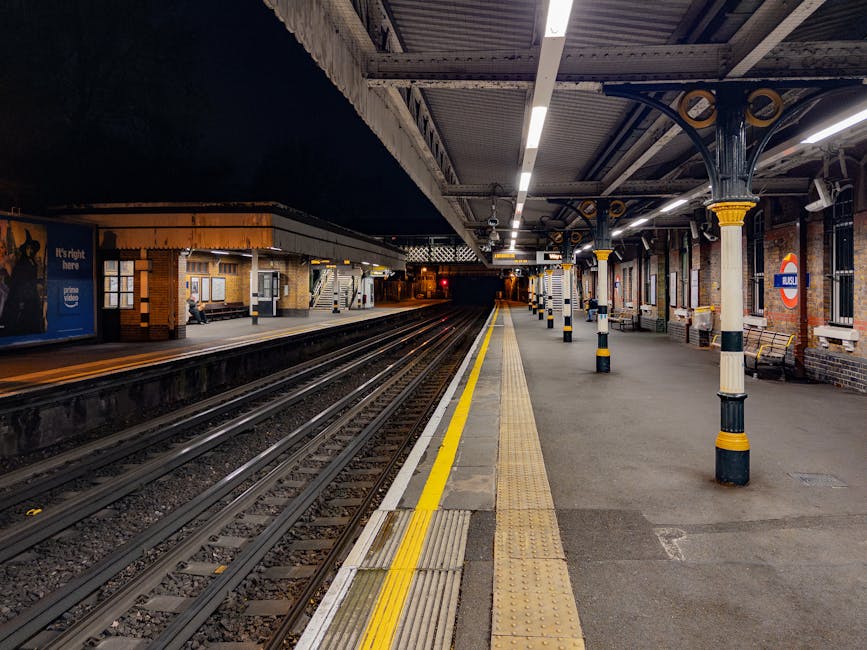
Rubbish removal near Earls Court station: a practical local guide for homes, flats, and businesses
If you are looking for rubbish removal near Earls Court station, you are probably dealing with one of those jobs that starts small and then somehow turns into a proper headache. A broken wardrobe in a third-floor flat. A few black bags that missed collection day. A builder's pile clogging up the hallway. Maybe an office clear-out where everyone swears the junk belongs to someone else. Truth be told, the easiest answer is usually a fast, reliable collection service that knows the area and can work around busy streets, narrow access, and London parking realities.
This guide explains how rubbish removal near Earls Court station works, what it is best for, how to judge value, and what to check before you book. We will also cover compliance, common mistakes, and a few useful ways to make the whole thing smoother. If you live, work, or manage property nearby, it should help you make a sensible decision without overthinking it.
- Why it matters in a busy station area
- How the service works
- Key benefits and advantages
- Who needs it most
- Step-by-step guidance
- Expert tips for better results
- Common mistakes to avoid
- Tools, resources and recommendations
- Law, compliance and best practice
- Options and comparison
- Real-world example
- Practical checklist
- Conclusion
- Frequently asked questions
Why Rubbish removal near Earls Court station Matters
Station-adjacent areas have their own rhythm. Earls Court is busy, lived-in, and constantly moving. Residents come and go, flats get refitted, businesses refresh stock rooms, and landlords handle end-of-tenancy clearances. That means waste builds up quickly, and it often needs removing before it becomes a nuisance. Nobody wants a pile of old furniture sitting in view of neighbours, or a builder's bag blocking the pavement on a wet Monday morning.
Near a station, speed matters. So does timing. You may have less space to store waste, less room to manoeuvre large items, and more pressure to keep entrances tidy. If you have ever tried to drag a sofa down a narrow stairwell while another delivery arrives outside, you will know the feeling. It is not glamorous. It is just logistics.
There is also a reputation angle. A clean entrance, clear hallway, and tidy frontage make a real difference in a place like Earls Court, where many buildings are shared and every neighbour notices everything. If you are interested in the area more broadly, the piece on the diverse character of Earls Court in London gives helpful local context. Waste removal is part of that lived-in character too, because the area blends homes, hospitality, and commercial activity in a tight urban footprint.
Expert summary: In a station zone, rubbish removal is not just about getting rid of waste. It is about doing it safely, quickly, and with minimum disruption to neighbours, pedestrians, and building access.
How Rubbish removal near Earls Court station Works
Most rubbish removal services follow a fairly simple process, though the best ones make it feel effortless. Usually, you describe what needs to go, share a rough volume, and explain access details. Then the provider gives you a quote or a clearer estimate. On the day, a team arrives, loads the items, and takes them away for sorting, reuse, recycling, or disposal.
The actual collection can be surprisingly quick if everything has been prepared. For example, a set of bagged household waste might be loaded in minutes, while a mixed clearance with wardrobes, appliances, and broken flat-pack furniture takes longer because items need handling carefully. Access changes the pace too. Ground-floor collections are one thing; a top-floor conversion without a lift is another story altogether.
In Earls Court, practical details matter more than the sales pitch. Does the team need to wait for concierge access? Can they park close enough to keep loading times down? Are there narrow lanes, time-restricted bays, or building rules to work around? These little things are the difference between a smooth job and a mildly chaotic morning. It happens. More often than people admit.
If you want a broader look at the kinds of services that usually sit underneath a rubbish removal request, the services overview is a useful place to understand the wider options before choosing the right type of collection.
What is typically collected?
- General household rubbish and bagged waste
- Old furniture and bulky items
- White goods and appliances
- Office clutter and commercial waste
- Builders' rubble, timber, and renovation debris
- Garden waste, cuttings, and green materials
- Loft, garage, and house clearance items
Key Benefits and Practical Advantages
The obvious benefit is convenience, but there is more to it than that. Good rubbish removal near Earls Court station saves time, reduces stress, and helps you avoid the awkward pause where waste sits in the way for a week longer than planned. That can matter a lot if you are moving out, preparing a flat for viewings, or trying to get a renovation back on track.
Another major benefit is lifting and handling. Bulky items are where DIY plans fall apart. A heavy mattress or awkward filing cabinet can be fine in theory and miserable in practice. Professional teams are used to moving things safely down stairwells and through tight doorways. They know how to protect common pinch points, which is worth a great deal when you care about walls, bannisters, and your own back.
There is also the sorting side. Responsible waste handlers aim to separate recyclable material wherever possible, which supports better outcomes than simply mixing everything together. If sustainability matters to you, the page on recycling and sustainability is worth a look, especially if you want to understand how materials are handled after collection.
And then there is flexibility. Some jobs need same-day help. Others are planned around a tenancy end date or renovation timeline. A good rubbish removal service can usually adapt to that, which is handy when life in London refuses to sit still.
| Benefit | Why it helps near Earls Court station | Typical real-world value |
|---|---|---|
| Fast turnaround | Busy streets and limited storage make quick collection useful | Less clutter, fewer delays |
| Bulky item handling | Stairs, lifts, and tight entrances can make DIY removal difficult | Safer movement, less strain |
| Proper sorting | Recycling and reuse are easier when waste is professionally handled | Cleaner disposal pathway |
| Local convenience | Station-area access, parking, and timing are easier to manage with experience | Fewer surprises on the day |
Who This Is For and When It Makes Sense
Rubbish removal near Earls Court station is useful for a lot of people, not just landlords and builders. In practice, it suits anyone who has more waste than a normal bin collection can handle. That could be a resident decluttering before a move, a family replacing furniture, or a shop clearing stock and packaging after a busy season.
It also makes sense when the waste is awkward. White goods, broken furniture, refurbishment waste, office desks, and garden cuttings all create different problems. Some are too big for standard disposal. Some are too messy to leave lying around. Some need a bit of care because they contain materials that should be separated or handled properly.
If you are buying or managing property locally, waste removal often becomes part of the bigger picture. Earls Court has a lot of turnover, and that affects interiors. For readers thinking about the area's housing context, the posts on Earls Court real estate buying tips and wise investment real estate in Earls Court are relevant because property decisions and clearance needs often sit side by side.
Business owners may also need a faster, more discreet approach. Shops, offices, cafes, and managed buildings often cannot afford a messy back entrance or a lingering pile of waste. A clean premises is not just nice to have. It affects staff, customers, and, let's be honest, your own sanity.
Step-by-Step Guidance
If you want the smoothest possible rubbish collection, a bit of prep goes a long way. The collection itself may be quick, but the planning is where most of the time gets saved.
- Identify exactly what needs removing. Separate general waste from furniture, appliances, green waste, and construction debris. Mixed piles are harder to price and slower to load.
- Estimate the volume. You do not need to be exact, but try to judge whether it is a few bags, a van load, or something larger. Photos help. A lot.
- Check access details. Note stairs, lifts, parking restrictions, coded entry, and any building rules. Around a station, access can be the hidden challenge.
- Ask about what happens to the waste. Reuse and recycling should be part of the conversation, not an afterthought.
- Confirm the quote basis. Make sure you understand whether the price is volume-based, item-based, or depends on loading time and access.
- Prepare the items. Put smaller waste in manageable bags or boxes and keep items accessible. If a sofa is buried behind six storage tubs, that slows everything down.
- Be ready for collection. On the day, have someone available to point out the waste and answer access questions quickly.
A small practical note: if you are clearing a room or flat, label what stays and what goes. It sounds obvious, but under pressure people make silly mistakes. We have all seen the "wait, that chair was staying" moment. Not ideal.
Expert Tips for Better Results
One of the best ways to avoid disappointment is to be specific early. The more precisely you describe the waste, the less likely you are to face a surprise on collection day. A photo of the pile, sent with a quick note about access, can save a lot of back-and-forth.
Another smart move is to think in categories, not just in items. For instance, a room clear-out may include furniture, mixed household waste, and a few electrical items. That matters because different materials can affect handling and disposal. If you group everything properly before booking, the service is usually more efficient and often easier to price fairly.
For larger jobs, especially office or landlord clearances, it helps to appoint one point of contact. Otherwise, people tend to chip in with half-remembered instructions and three conflicting opinions. Funny for about thirty seconds. Then not so funny.
If safety and standards matter to you, the pages on insurance and safety and waste carrier licence and compliance are useful trust signals to check before booking any collection. They help you understand whether the provider is operating in a responsible, traceable way.
A final tip: do not leave the hardest items until last. Clear the path first. A tidy route from the room to the exit can save more time than you might think, especially in an older building with tight corners and a few too many door stops.

Common Mistakes to Avoid
The most common mistake is underestimating how much waste there actually is. A pile that looks manageable from one angle can become a full van load once it is broken down and stacked properly. It happens all the time.
Another issue is forgetting access. In Earls Court, access can make or break a job. Parking, loading bays, narrow streets, and controlled entry points all need checking. If the provider cannot get close enough, you may end up paying more or waiting longer.
People also sometimes mix hazardous or specialist items into general waste. That is not something to guess at. If you have anything that could be classed as hazardous, sharp, or unusual, ask first. Better to pause and clarify than to create a problem for everyone.
Then there is the "cheap quote trap." A low price is tempting, obviously. But if it excludes loading, access, or proper disposal, it can stop being a bargain very quickly. A fair quote is usually clearer, not just lower.
- Do not hide extra bags around the corner and hope nobody notices.
- Do not assume all appliances can be treated the same way.
- Do not leave the booking until the last minute if you have a move-out date.
- Do not ignore building rules or neighbour considerations.
Tools, Resources and Recommendations
You do not need complicated tools to organise rubbish removal well. A phone camera, a rough inventory, and a clear plan are often enough. Still, a few simple things make life easier.
- Photos of the waste: useful for accurate quotes and quicker planning.
- Measurements for bulky items: especially helpful for wardrobes, sofas, desks, and appliances.
- Basic room or access notes: stairs, lifts, floor level, and parking constraints.
- Sorting bags or boxes: handy for keeping mixed small items under control.
- Timing buffer: give yourself a little extra time before viewings, check-outs, or tradespeople arrive.
If you are comparing broader service types, the most relevant pages are usually rubbish collection in Earls Court, waste removal in Earls Court, and, for fuller property jobs, house clearance in Earls Court. They are useful because not every job is just one pile of mixed rubbish. Some are more structured than that.
For commercial settings, it is worth checking whether you need something more specialised, such as office clearance in Earls Court or commercial waste removal in Earls Court. The right fit depends on what is being cleared and how quickly it needs to disappear.
Law, Compliance, Standards, or Best Practice
Waste removal in the UK is not something to be casual about. Even if your job feels small, the provider should handle waste in a lawful and traceable way. A responsible carrier should be able to explain how waste is transferred, sorted, and disposed of, and they should be properly registered where required.
From a customer point of view, the most practical rule is simple: do not hand waste to someone who cannot give you confidence about compliance. If a provider is vague about licensing, insurance, or where the waste ends up, that is a warning sign. Better to ask a few direct questions than to shrug and hope for the best.
Good practice also means protecting shared spaces. In a station area, that includes keeping entrances clear, avoiding blocked pavements, and not leaving loose debris behind. If you live in a managed block, check building rules before collection day. Those rules are not there just to be awkward, although they can feel that way on a bad afternoon.
The website pages on terms and conditions, privacy policy, and payment and security can also help you understand how a provider expects to work and how they handle booking or payment details. That matters for trust as much as the collection itself.
Options, Methods, or Comparison Table
Different waste jobs call for different approaches. The best method depends on volume, urgency, item type, and how much lifting you want to avoid. Here is a simple comparison that should help.
| Method | Best for | Pros | Limitations |
|---|---|---|---|
| Manual self-disposal | Very small loads, one-off items | Cheap in cash terms | Time-consuming, tiring, parking and transport hassles |
| Skip hire | Longer renovation projects | Good for ongoing work | Takes space, may need permits, loading is still your job |
| Professional rubbish removal | Mixed waste, bulky items, fast clearance | Quick, hands-off, useful in tight-access areas | Usually costs more than doing it yourself |
| Specialist clearance service | House, loft, office, or end-of-tenancy clear-outs | Structured, efficient, good for larger projects | May be more than you need for a tiny load |
For many people near Earls Court station, professional removal wins because it reduces friction. You do not need to hire a van, find parking, recruit a friend who owes you a favour, and spend the afternoon wrestling with broken furniture. That alone is worth something.
Case Study or Real-World Example
Picture a rented flat a short walk from Earls Court station. The tenancy has ended, the inventory has been checked, and the landlord wants the place ready for cleaners and fresh photos the next day. The flat contains a worn sofa, a small fridge, several bags of mixed clutter, and two shelves of random household bits that nobody claimed.
The tricky part is not the amount of waste. It is the building. The stairwell is narrow, the lift is small, and loading outside has to happen within a tight window because the road stays busy. A smart approach would be to group everything in advance, keep the route clear, and arrange a collection slot that matches access rules. No drama, no last-minute panic.
In that sort of situation, rubbish removal near Earls Court station is really a project management service disguised as waste collection. The best outcome is not just that the rubbish disappears. It is that the flat is ready for the next step on time, without damage, and without the people involved feeling frazzled. Which, to be fair, is often the real win.
If the job also involves furniture, a dedicated furniture removal service in Earls Court or furniture disposal in Earls Court may be more suitable than treating everything as generic rubbish. The distinction sounds small, but it matters for handling and planning.
Practical Checklist
Use this before you book or on the morning of collection. It keeps things simple.
- Have you identified every item that needs removing?
- Have you separated reusable furniture, appliances, and general waste?
- Do you know the approximate volume or number of items?
- Have you checked stairs, lift access, and parking restrictions?
- Have you made note of any building rules or access codes?
- Have you asked how recyclable material will be handled?
- Have you confirmed the quote basis and what it includes?
- Are any items hazardous, fragile, or unusual?
- Have you cleared a route from the waste to the exit?
- Is someone available to meet the collection team if needed?
Small checklist. Big difference. That is often how these jobs go.
Get a free quote today and see how much you can save.
Conclusion
Rubbish removal near Earls Court station is really about making a busy urban life run more smoothly. Whether you are clearing a flat, refreshing an office, tidying after builders, or just trying to get rid of that one awkward item that has been nagging at you for weeks, the right service should feel practical, calm, and well organised.
Focus on access, clarity, compliance, and proper handling. Those are the things that separate a decent collection from a stressful one. And if you are unsure which service best fits your situation, start with the waste type, then work outward. That usually gets you to the right answer faster than trying to guess from the price alone.
A tidy space near a busy station can feel like a small relief, but sometimes that small relief is exactly what you need. One less thing to think about. One less thing in the way.